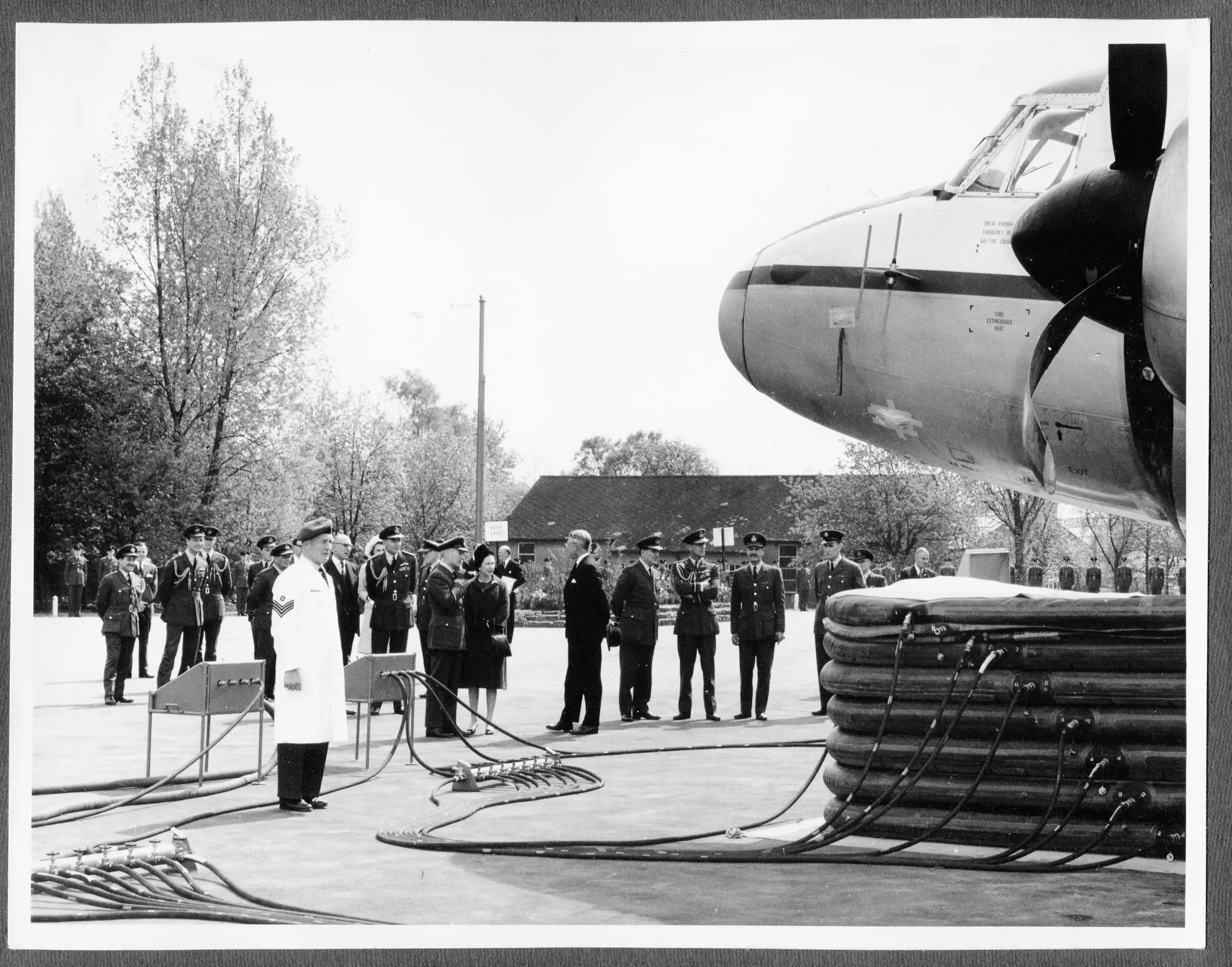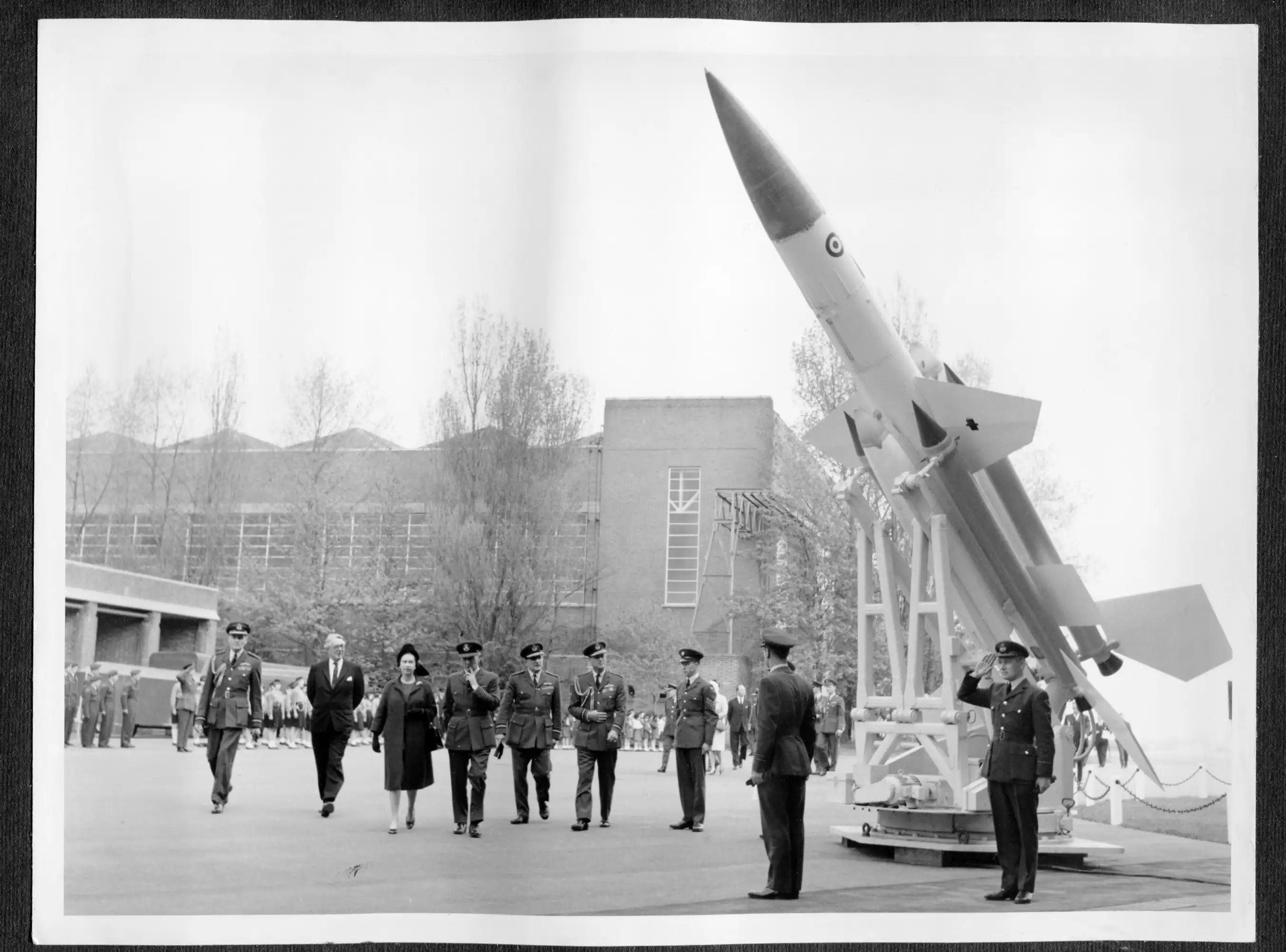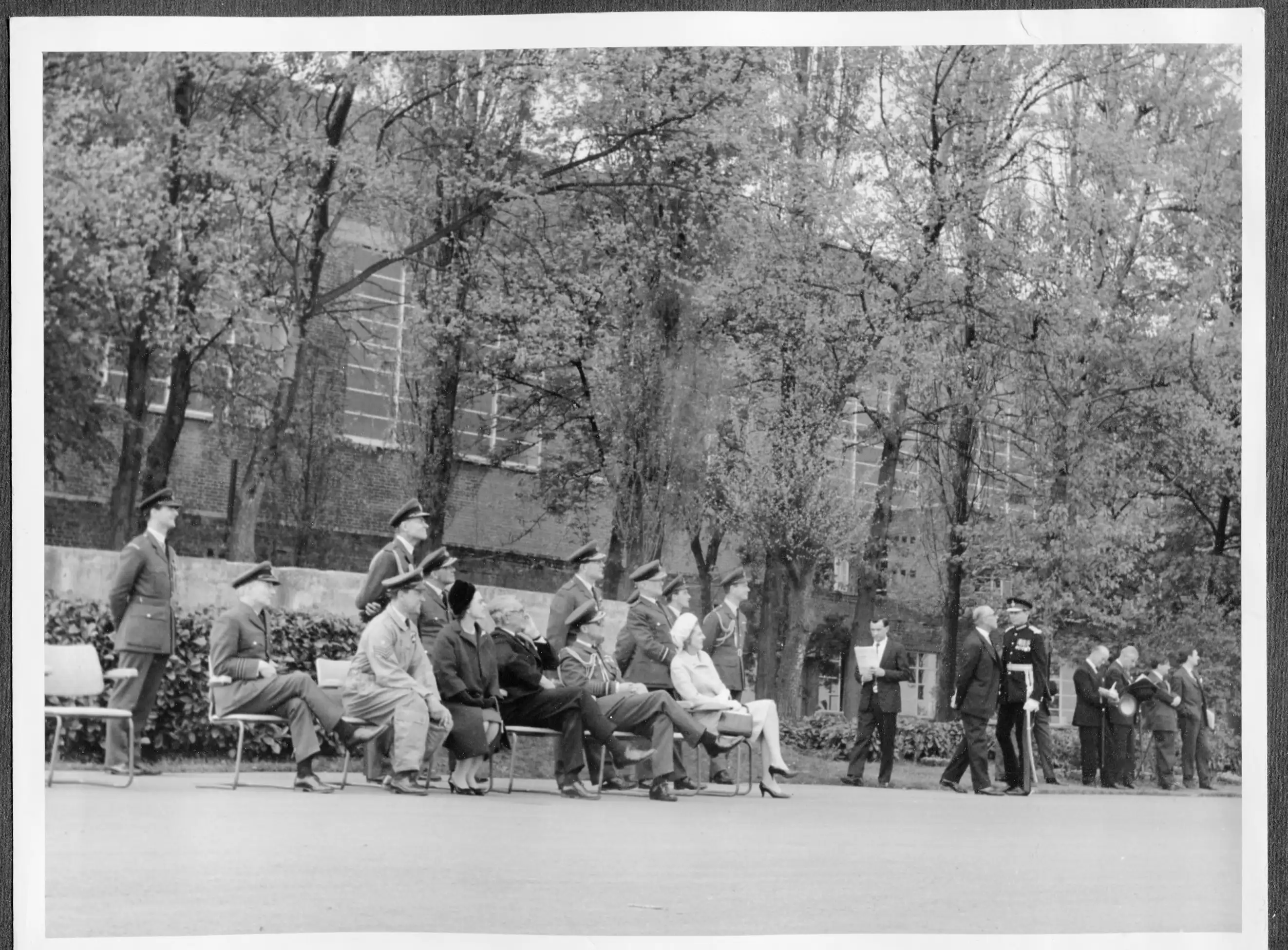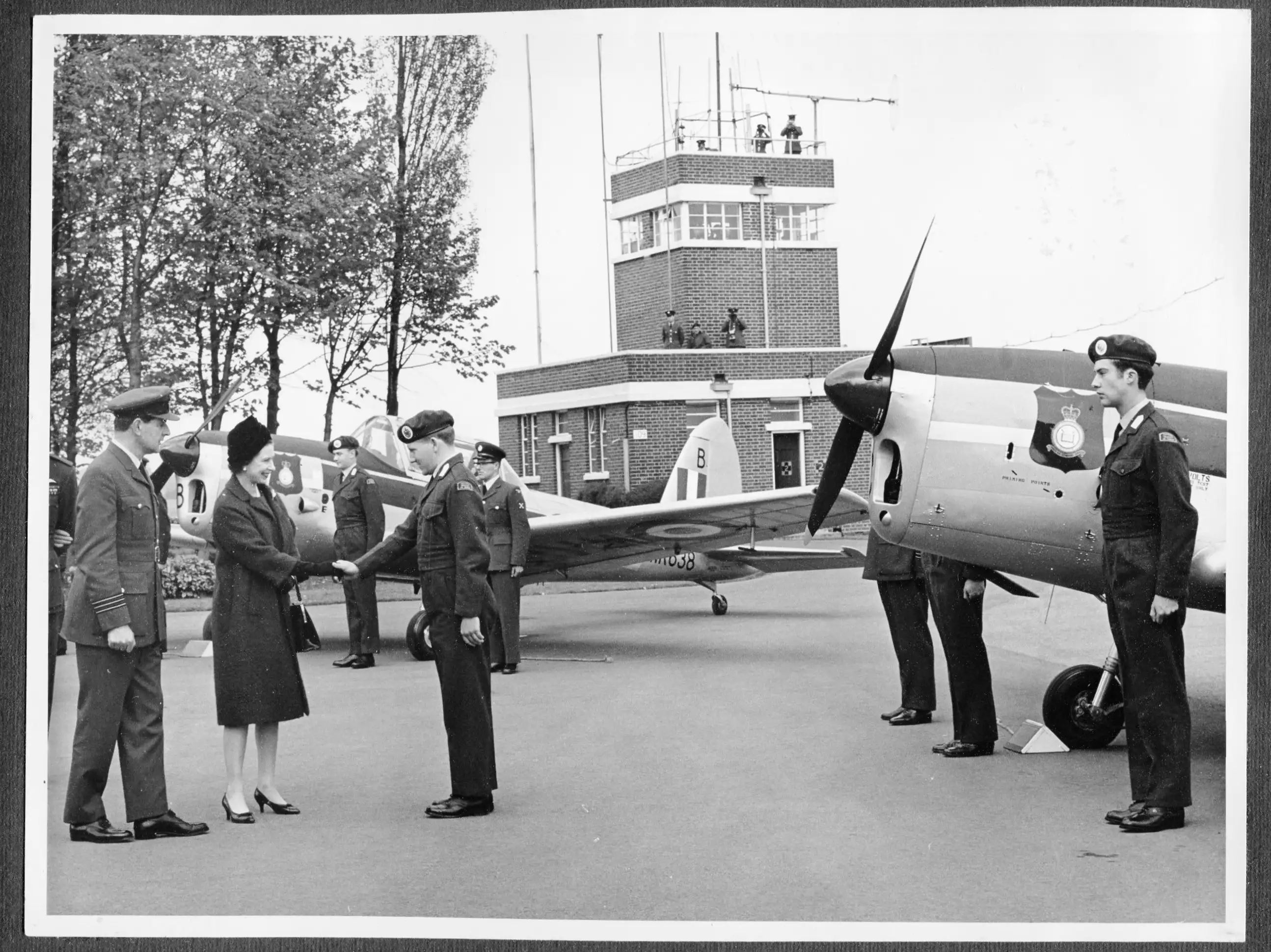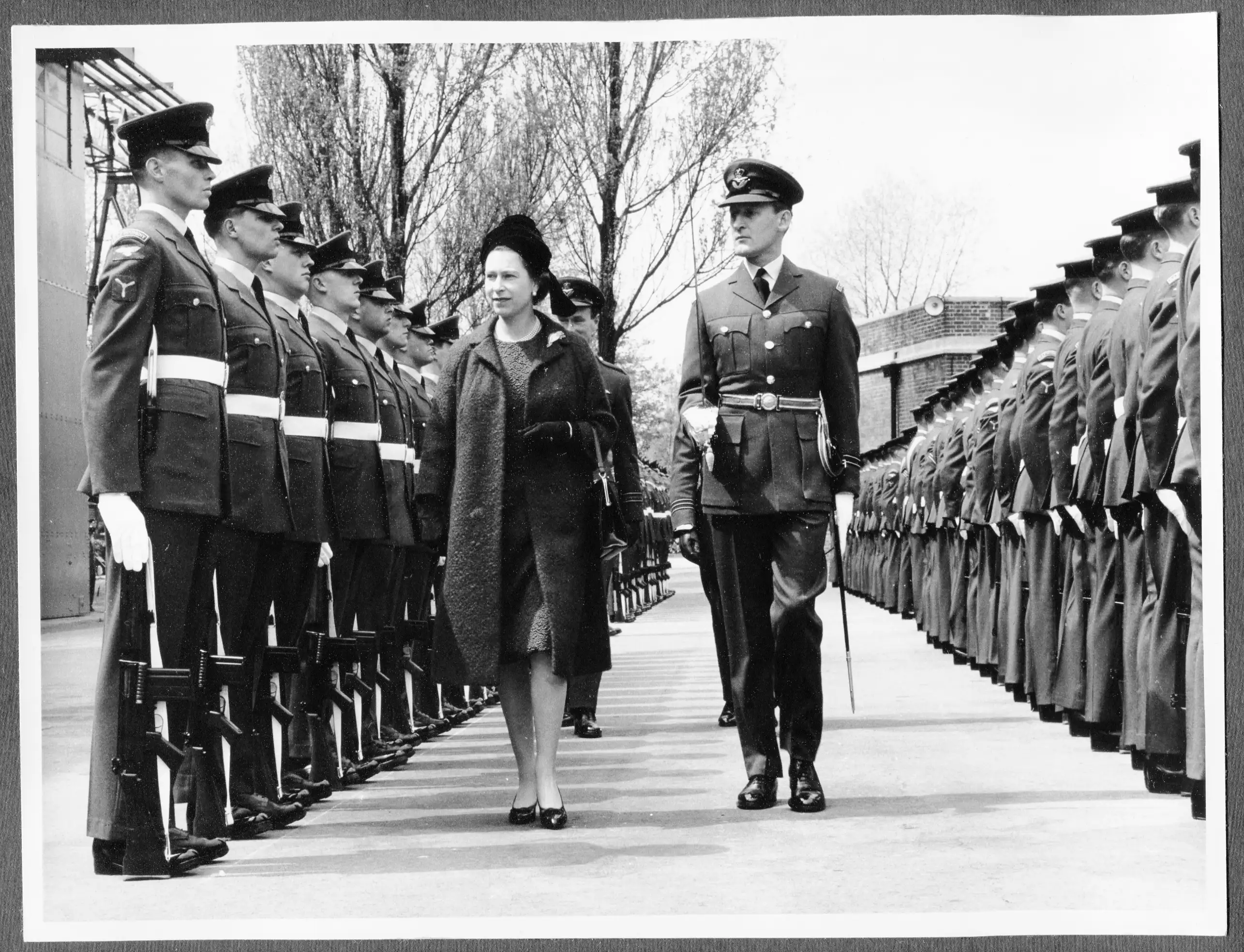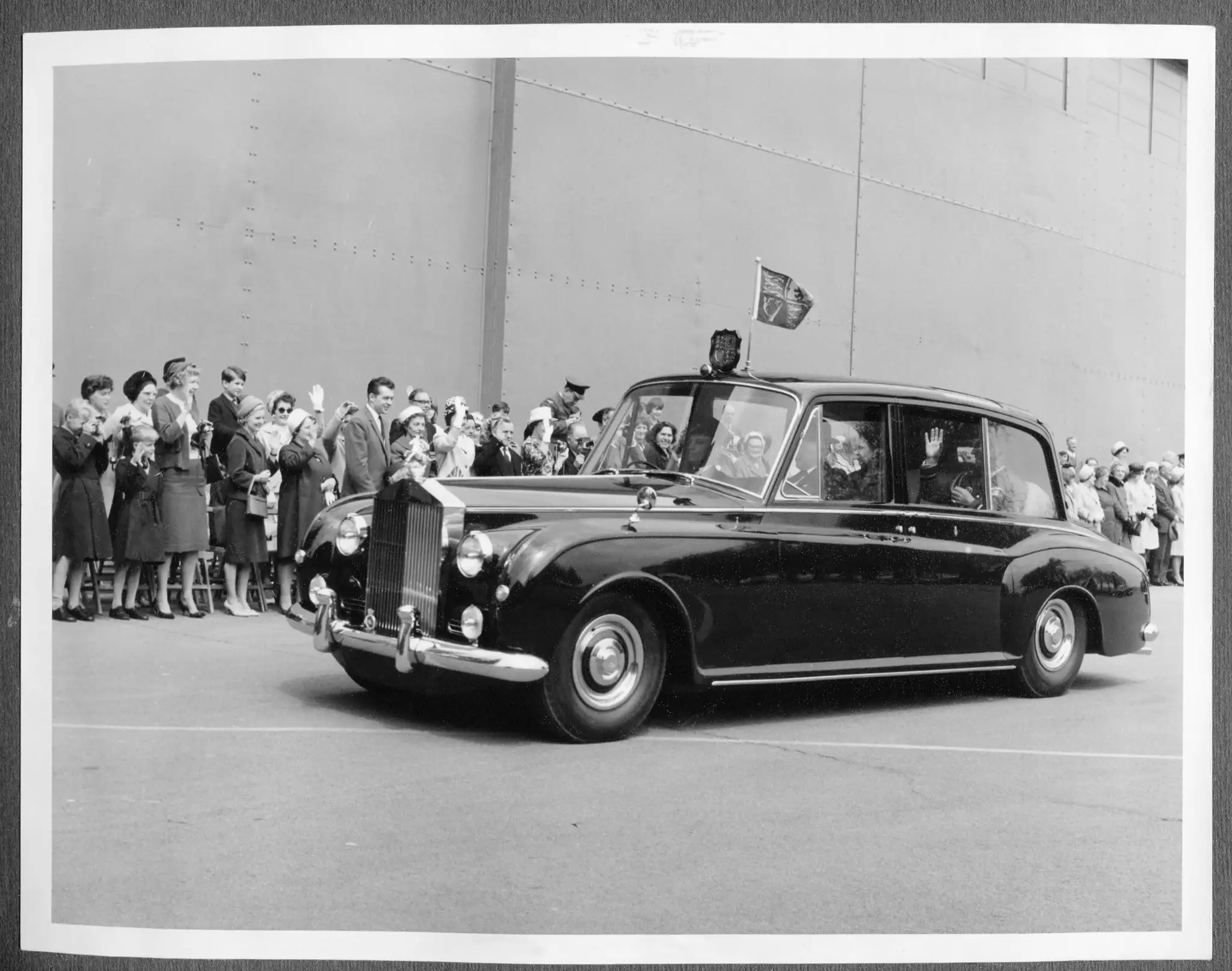
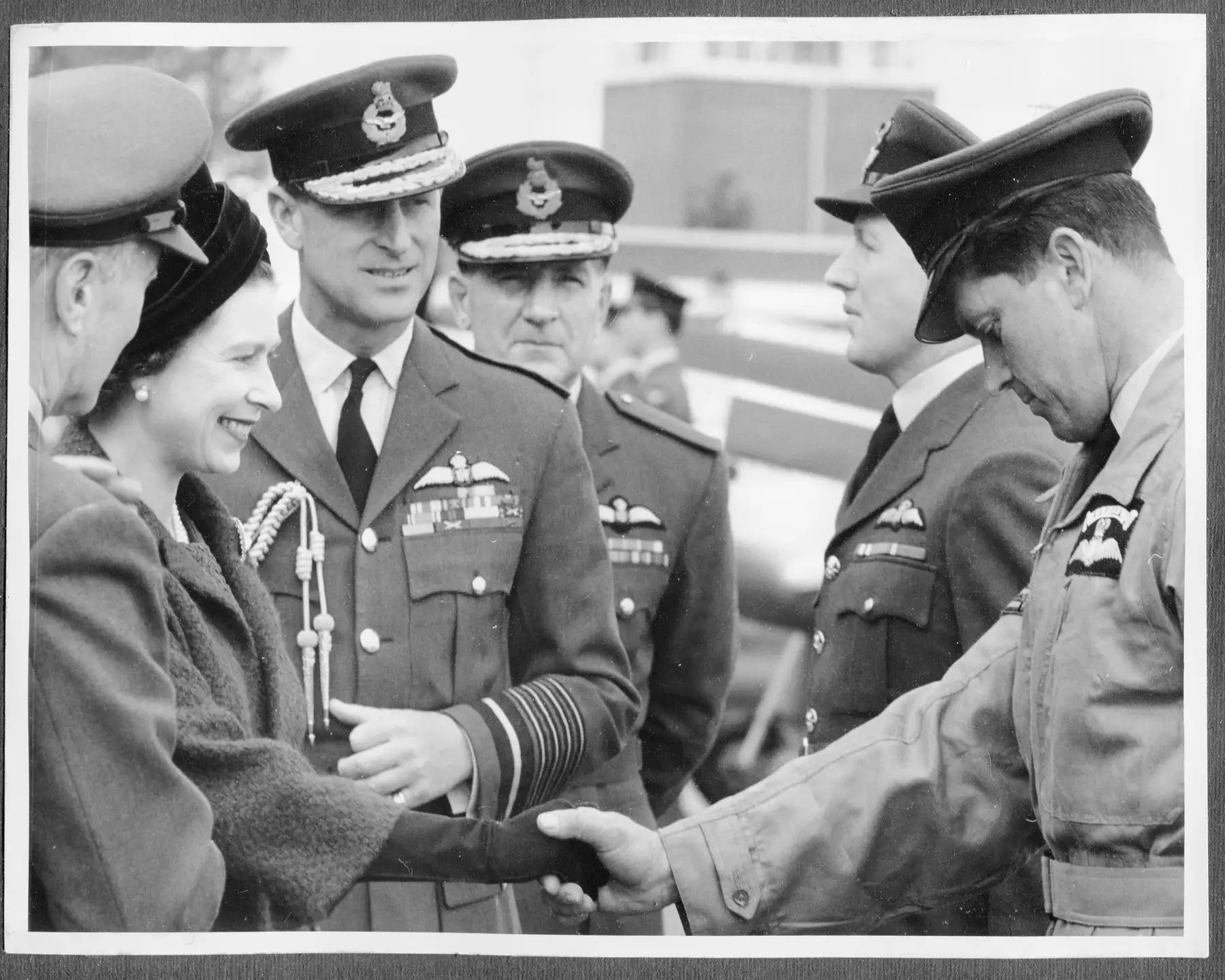
The days, weeks and months leading up to 12:50pm on Monday 10 May, 1965, at RAF Bicester must have been fraught. The whole of the working Royal Air Force site would need to be perfect, with no blade of grass out of place. Luckily, a 30-page minute-by-minute, inch-by-by inch preparatory document would make sure of it.
The hard work and the furore was for good reason: Her Majesty Queen Elizabeth II was to visit with Prince Philip, the Duke of Edinburgh. It was not without precedent, because on 19 July, 1940, with the country in the grip of the Second World War, HM King George VI had done likewise.
This, a quarter of a century later, was to be the final call on a whistle-stop tour of the town, having arrived at Arnott before visiting Market Square and travelling on, via a bespoke Rolls-Royce through streets lined with locals and school children hoping to catch a glimpse of that famous royal wave, to where we today call home.
Minister of Defence for the Royal Air Force Lord Shackleton, himself a veteran of the RAF and son of world famous explorer Ernest, was waiting in what is now the Paddock, between Hangar Nos 2 and 3 – Historit and Hangar 113 as we know it.
Beside Lord Shackleton, presumably feeling more than a hint of trepidation, were Air Chief Marshal Sir Charles Elworthy, Air Marshal Sir Norman Coslett and Air Vice-Marshals PH Holmes and WM King. Wing Commander SM Russell, Station Commander, would accompany HM The Queen throughout the visit.
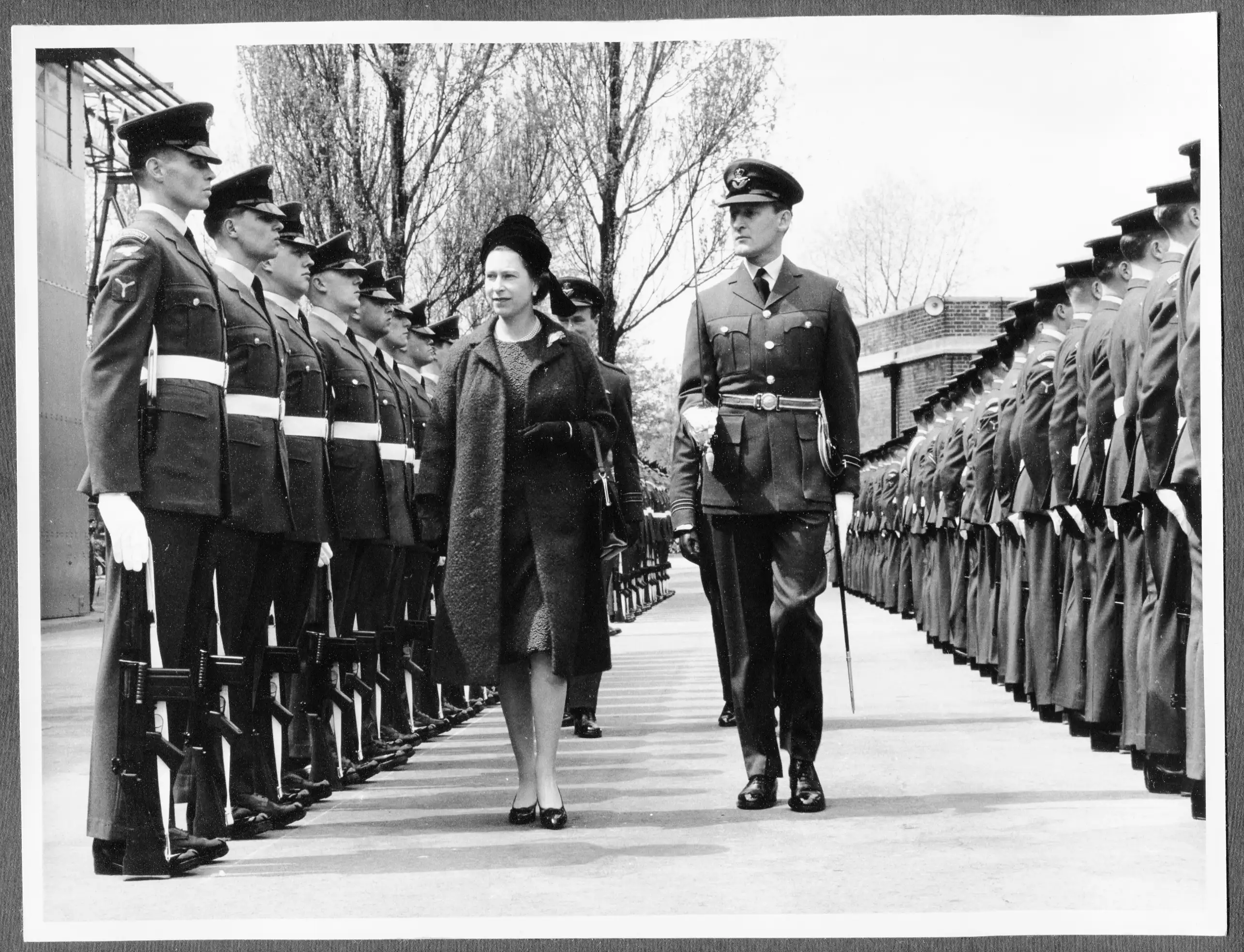
A Royal Guard of Honour flanked the paddock by the RAF Band, with the VIP enclosure and press stationed in the Tanker Sheds.
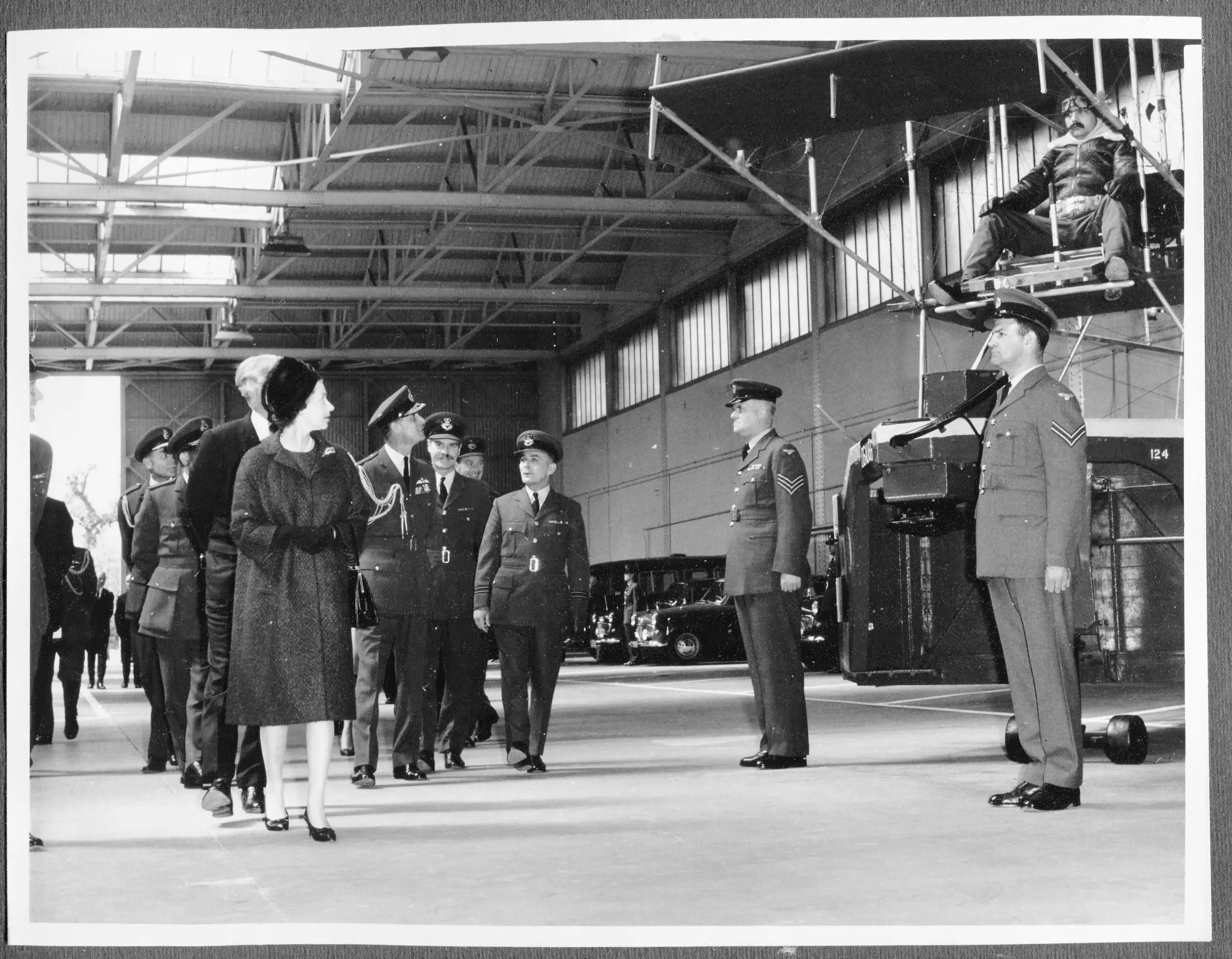
The assembled display of aircraft, working and retired, was imperious with a Bristol Boxkite, Gloster Gladiator, Spitfire, Sopwith Camel, Westland Lysander and Hawker Hunter lining Hangar No 1, all veterans of RAF Bicester.
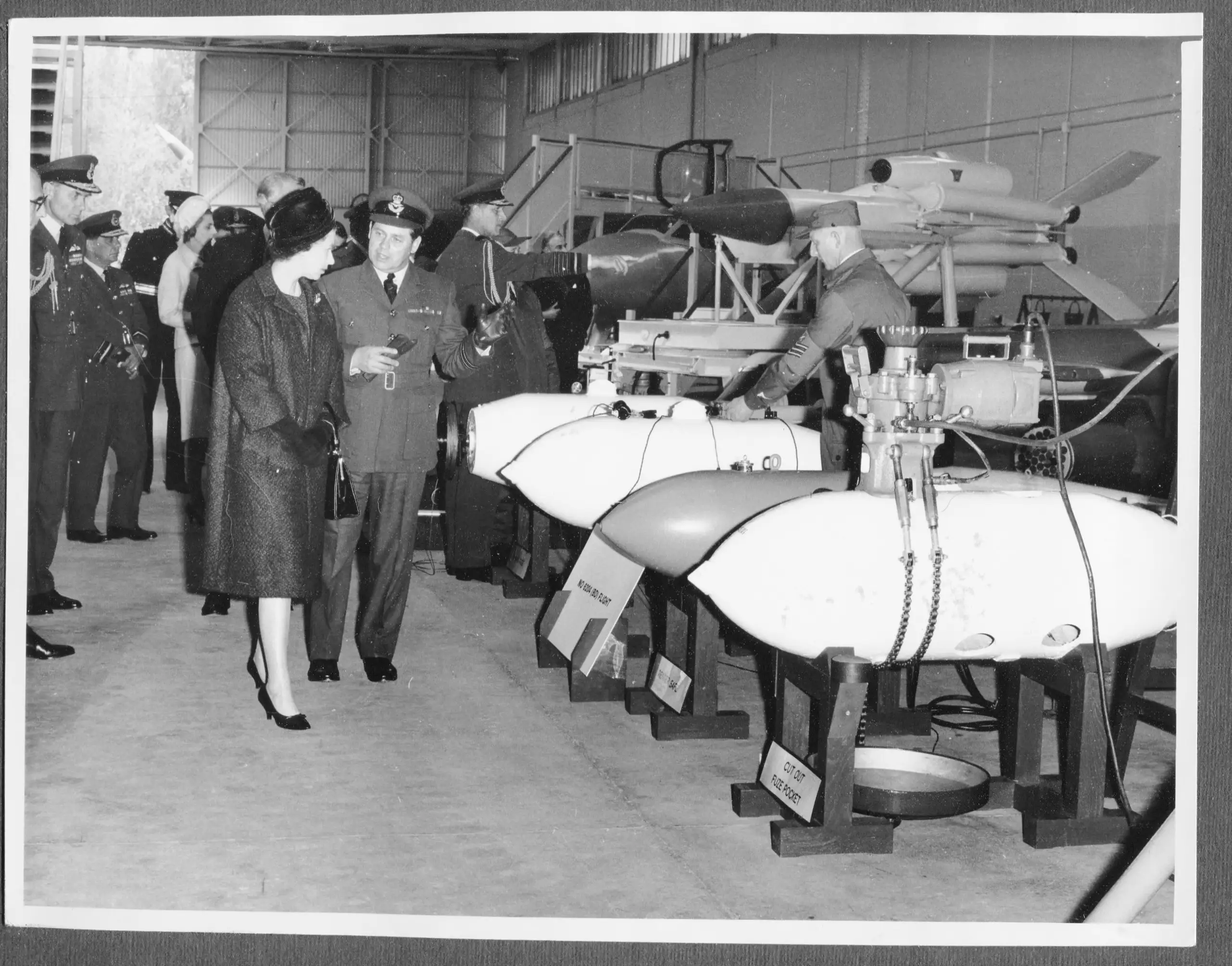
Contemporary planes, a Gloster Javelin and Vickers Valetta, guided the route from today's disused hangar to Hangar No 2, which for this visit was housing an array of equipment and elements of the Ground Defence School. Meanwhile further along in Hangar No 4, and underlining just how vast the now home of the Bicester Aerodrome Company is, was the mighty Bristol Beaufighter, the fast and versatile Mosquito, the fearsome Hurricane and the legendary Spitfire – heroes from the Battle of Britain, both. There was still space for missiles and cockpits, including that of the Vulcan, to be artfully placed to show the important expertise of the site.
The Hangars would have to wait, though.