The Audi F1 Project, as the nascent team is known, marks a new era in more ways than one. Most obviously it returns the Four Rings to Grand Prix racing for the first time since its futuristic Auto Union spaceships battled it out with compatriots Mercedes-Benz in the 1930s.
And by buying the Sauber Group, it concludes the long, long chapter of Formula 1’s most enduring of privateers. When the chequered flag dropped on the season in Abu Dhabi in December, it also fell on a team that began in the 1970s, ruled the world in the 1980s and joined F1 in the 1990s.
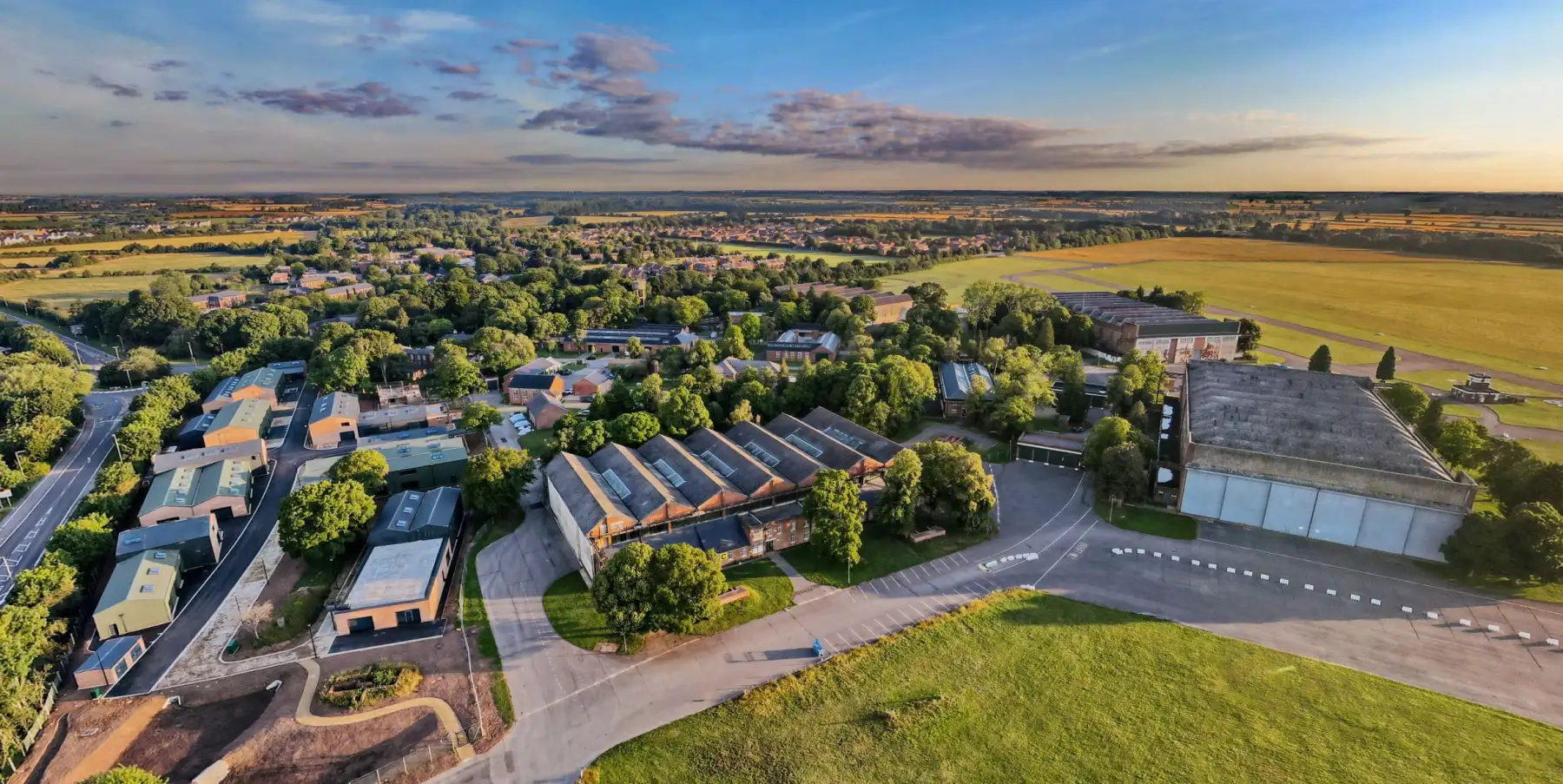
Most interestingly, the forthcoming project brings Audi, and briefly Sauber over its final few months, into Britain’s Motorsport Valley for the very first time via Bicester Motion, a 444-acre community of specialists pushing the envelope of future mobility on a restored former RAF base. The new team landed right at the very centre of Motorsport Valley in June, at a growing site where YASA will soon create the next generation of electric motors and where the historic motoring industry has found a home over the past 13 years.
Penske Racing Shocks, supplier of suspension components to F1 teams, has its own satellite base onsite, while McLaren has a presence in the building formerly the 'secret' heritage facility of Mercedes-Benz F1.
The reason for the arrival in the UK was clear. Sauber’s longstanding Switzerland-only existence had been a pretty thorn in its side, too far away from the rest of the largely UK-based grid. James Key, Sauber’s technical director, outlined the problem to Racecar Engineering in March 2025. “We’re not in the ecosystem of the majority of the rest of F1 teams, in terms of the ability to recruit experienced people from the industry without them having to move country, which is a big deal.” he said. “By having a technical hub in the UK, suddenly we become an option.”
The fluidity of the staff changes in F1 also means ideas flow with it, he suggested. “As an isolated community you sort of grow on your own, and maybe it’s the case there’s stuff you miss out on.”
By moving to Bicester Motion it has swapped isolation for being immersed in a community within the wider community of Motorsport Valley.
Seasoned F1 journalist Adam Cooper called Audi’s move to set up a UK Technology Centre ‘a blindingly obvious solution to the perennial problem of attracting top staff,’ adding in Motor Sport that ‘Suddenly a whole new pool of talent is accessible to the team.’
When the move to Building 123, the Station Armoury of the former RAF Bicester, was announced by the team in the summer, Mattia Binotto referenced that almost to the letter. "This facility will allow us to tap into the talent pool in Motorsport Valley,” the former Ferrari boss and head of Audi F1 Project said. He added that: “It further strengthens our technical capabilities while being part of a thriving cluster at Bicester Motion where you live and breathe motorsport. The support it will play to Hinwil will be important to our long-term success."
The team, and the most significant people at Audi, will certainly expect it. Audi CEO Gernot Döllner said as much when the R26 Concept was revealed in mid-November: “Whenever Audi entered a racing series, success followed. Audi has never entered just to compete, but instead with the aim of leading, innovating and being victorious. That’s exactly what we are striving for in Formula 1.”