Latest9 August 2022

When Volvo turned to Turin

A meeting of two unlikely minds rendered an unlikely coupé

by Scramblers HQ
Image

Volvo was so self-effacing about its design that today it’s hard to know where the real print advertisements end and the parodies begin: think ‘At last, an irrational reason to buy a Volvo’, ‘It’s sort of a souped-down Ferrari’, 'Be safe instead of sexy' and ‘To a radar gun they look exactly the same’.

To many, 1980s Volvos encapsulate the three-box car design most literally. The management in Gothenburg seemed happy to embrace it, relying on a touch of humour to add lightness to its safety and reliability first messaging.

All of which makes the sanctioning of the 262 C by Bertone a curiosity. Unashamedly squared at the American market, it was a Bertone project Bertone was keen to point out it didn’t design. That honour was Jan Wilsgaard’s, who’d designed almost every Volvo bar the striking P1800.

He pieced the Volvo coupé together using a disused 164 mule rather than clay, sent it to Carrozziere Coggiola to be cut down and the cast for the eventual 262 C was set.

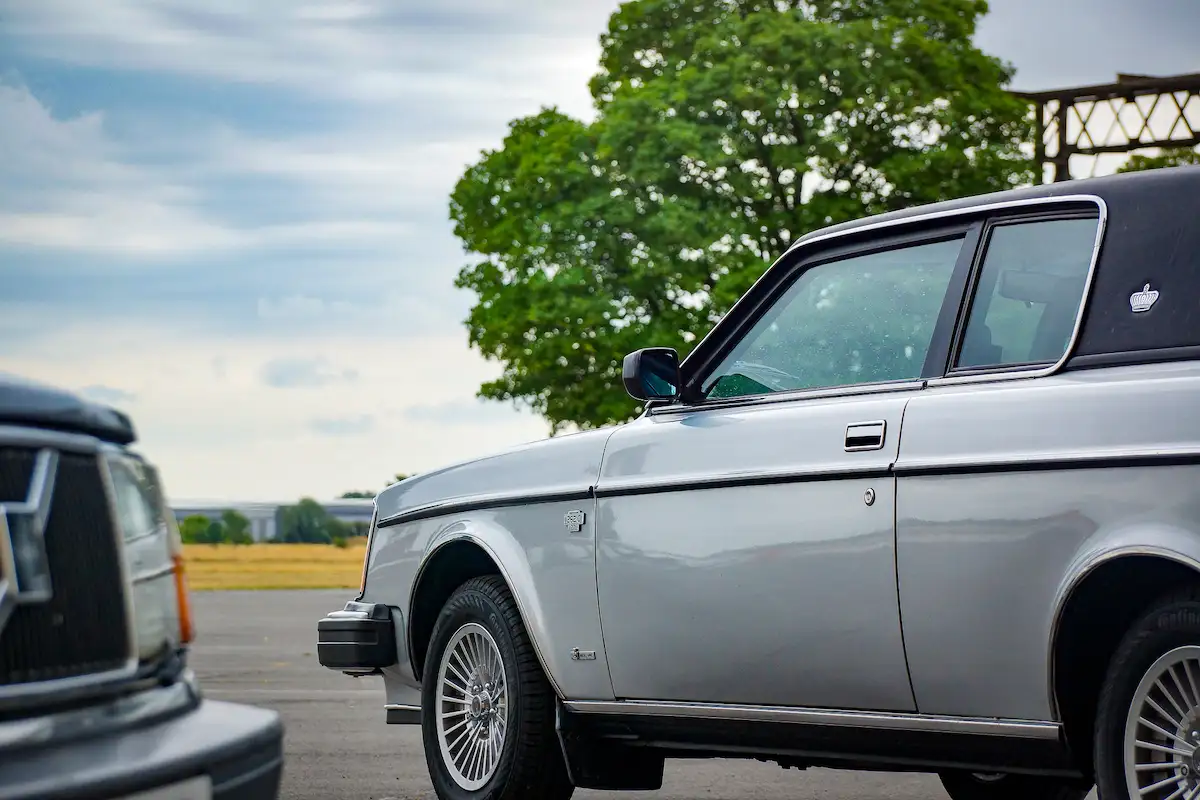
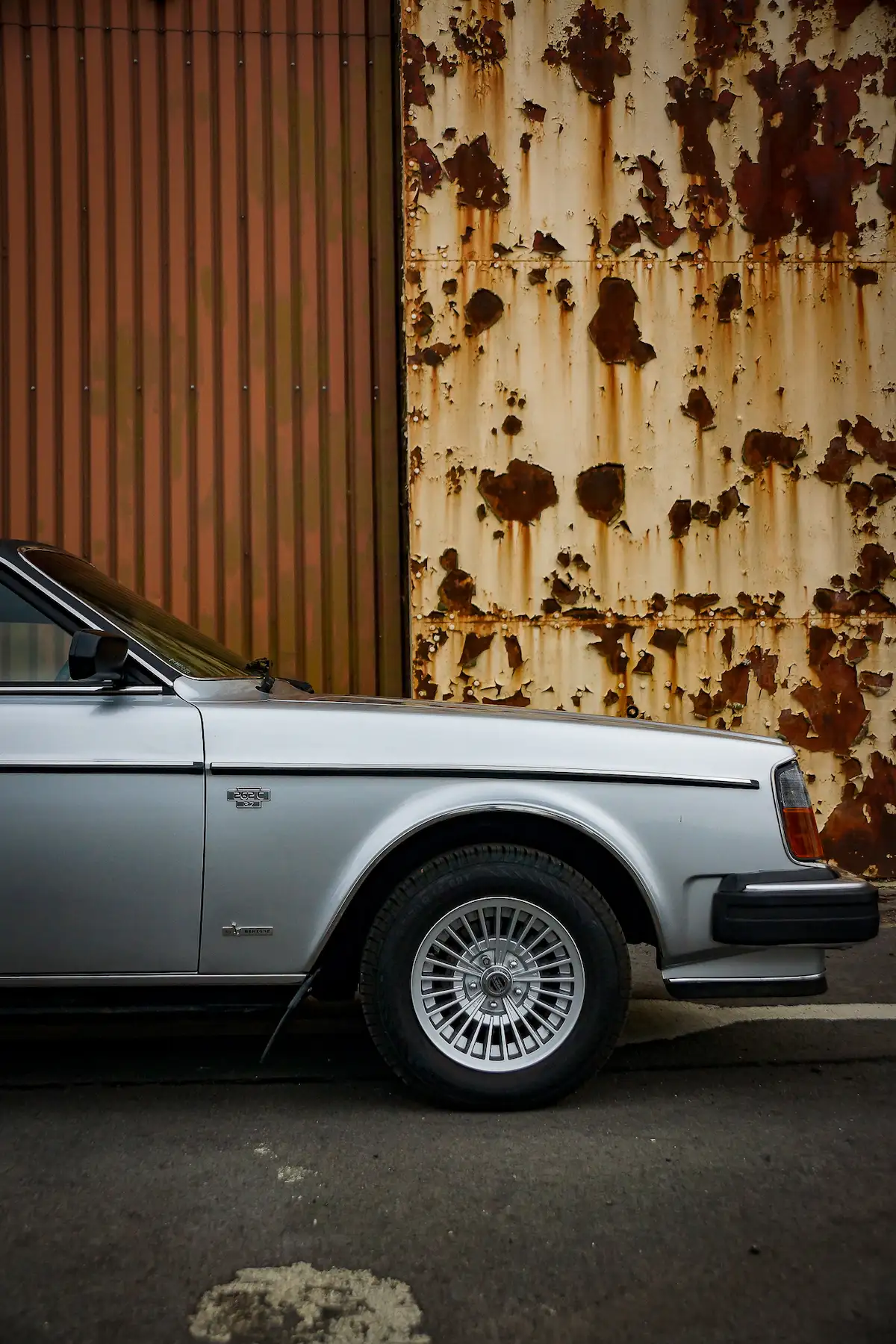
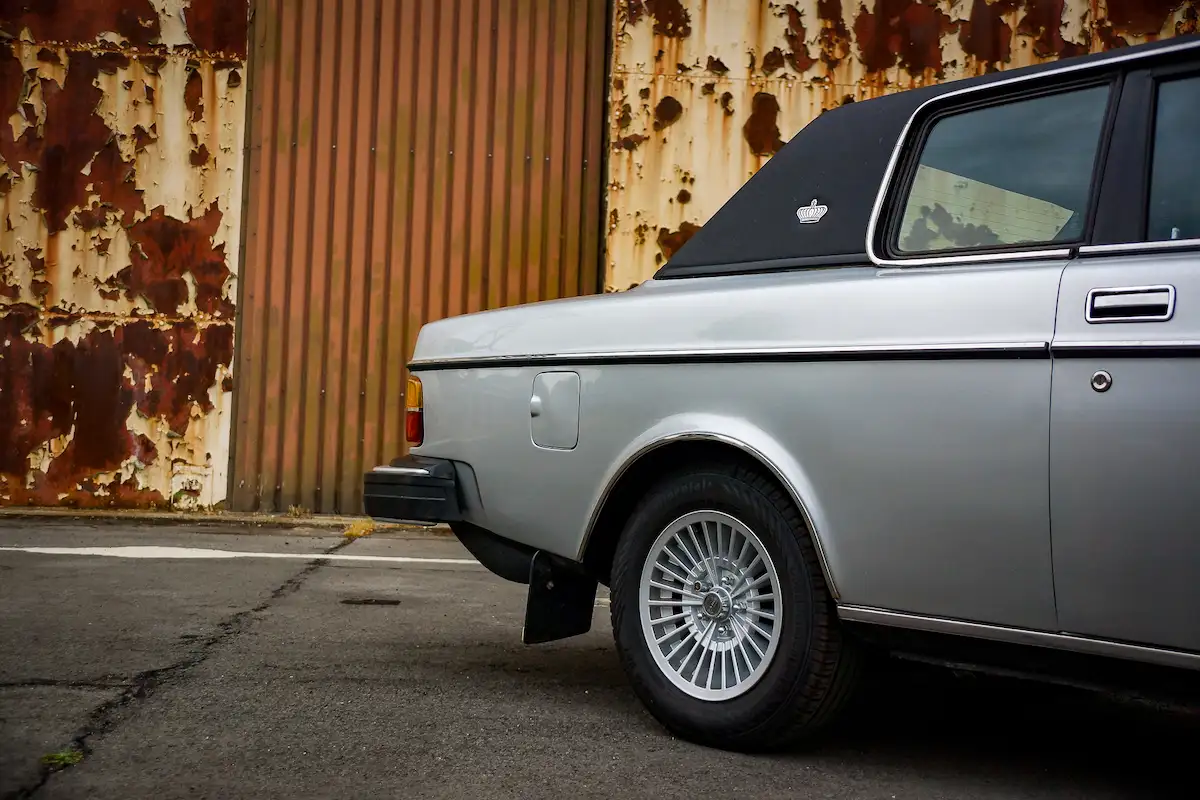
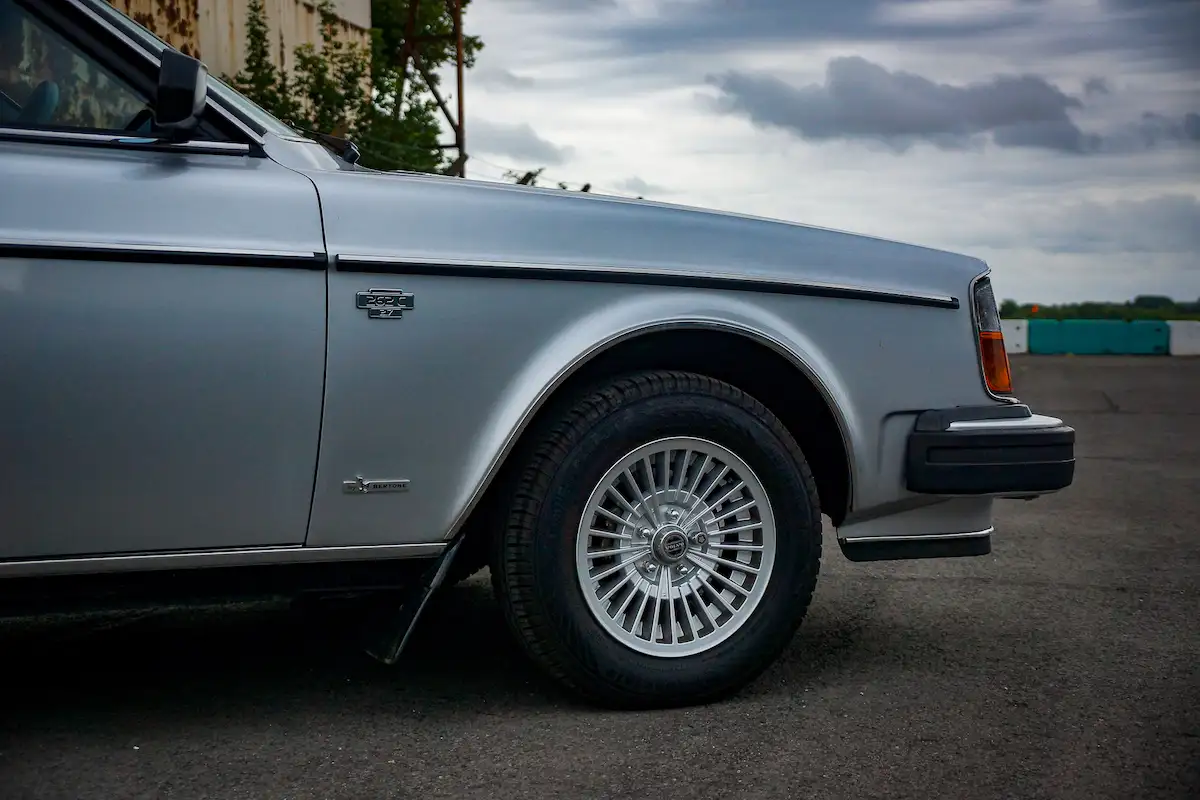
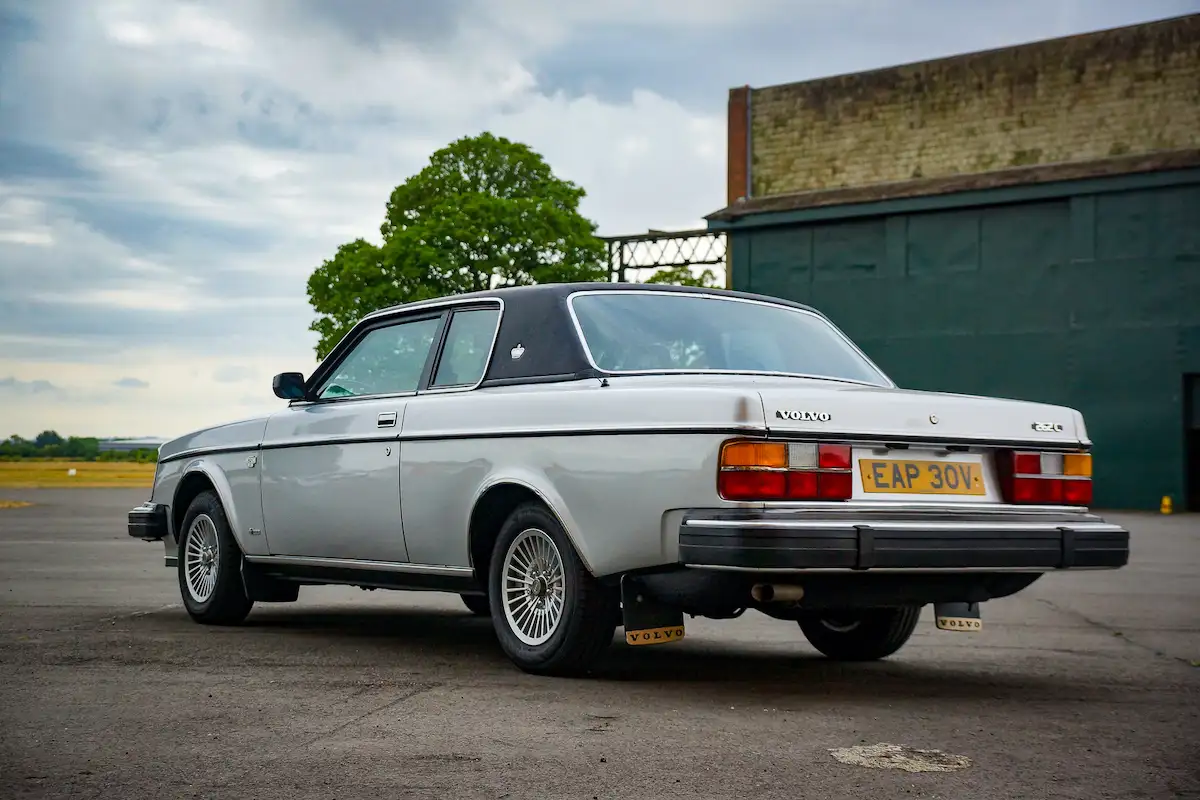
Bertone’s only involvement was to receive all of the 264 body parts, cut down the roof pillars, bolt it all together and in return take a handsome sum and screw its badge into the front wing. On the rear vinyl-clad remained a rather larger Swedish crown.
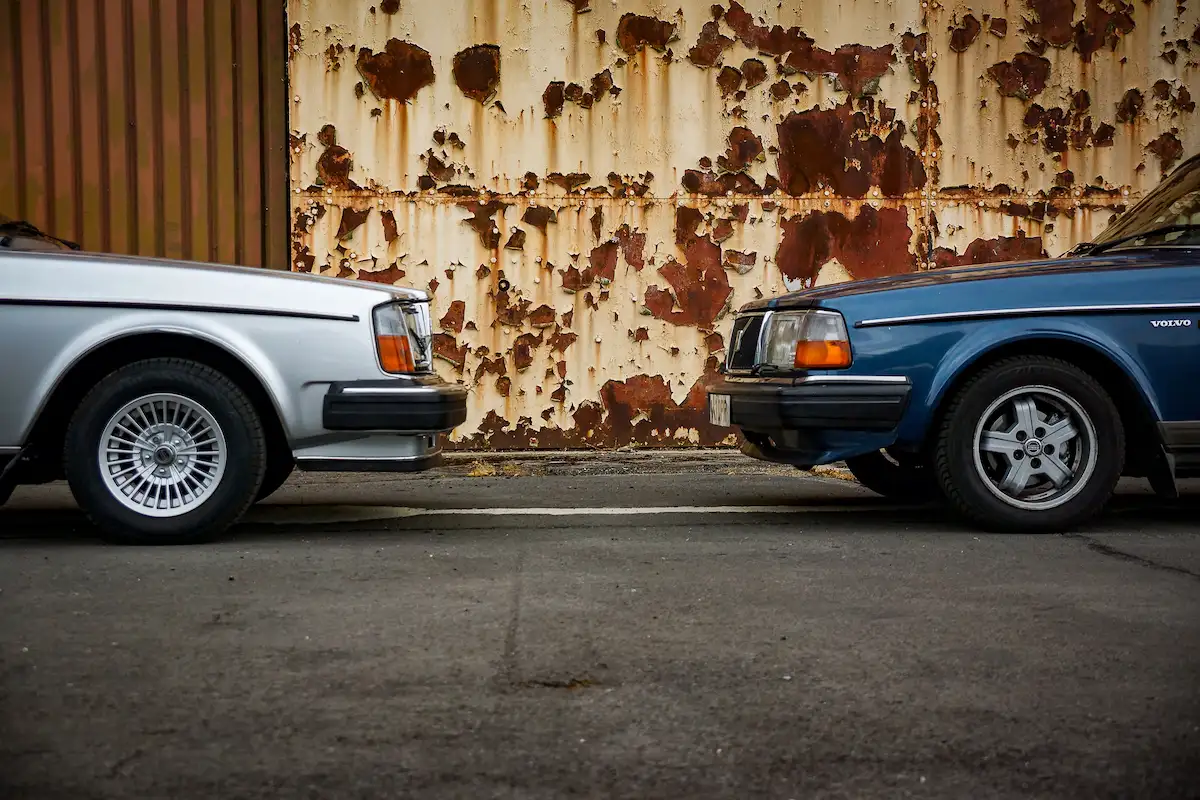
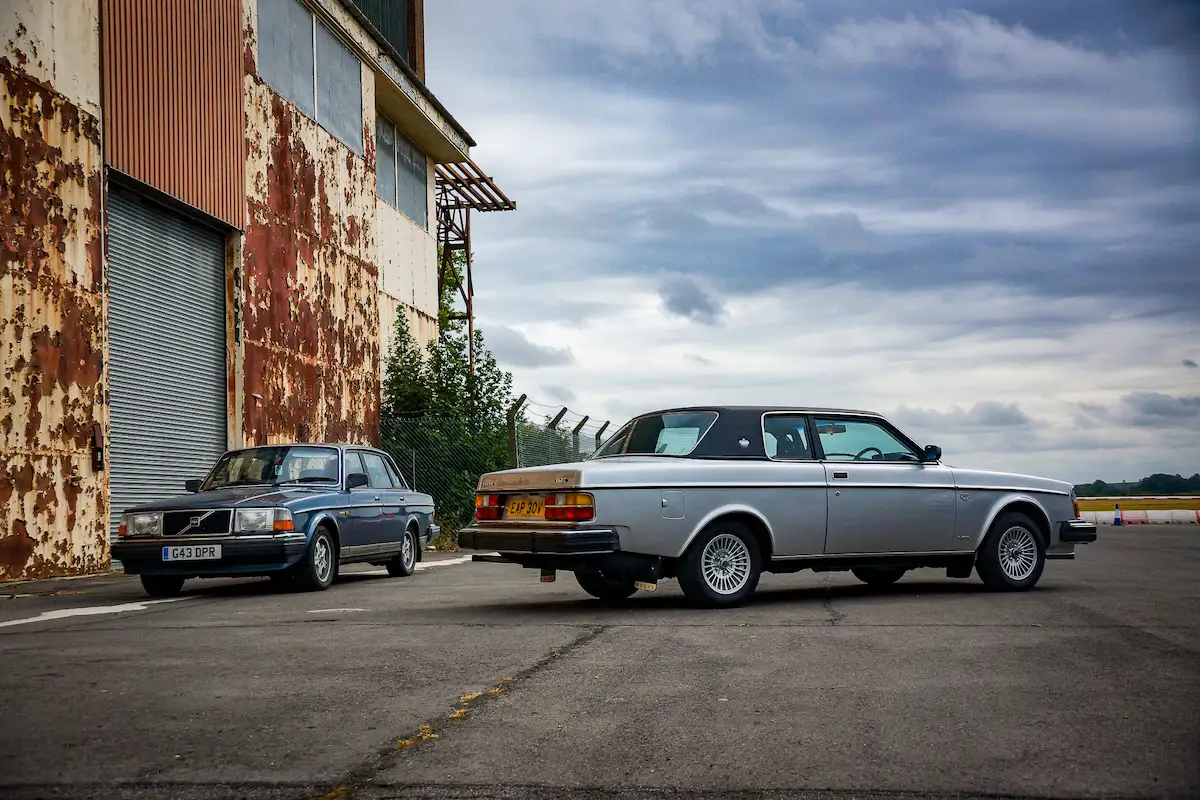
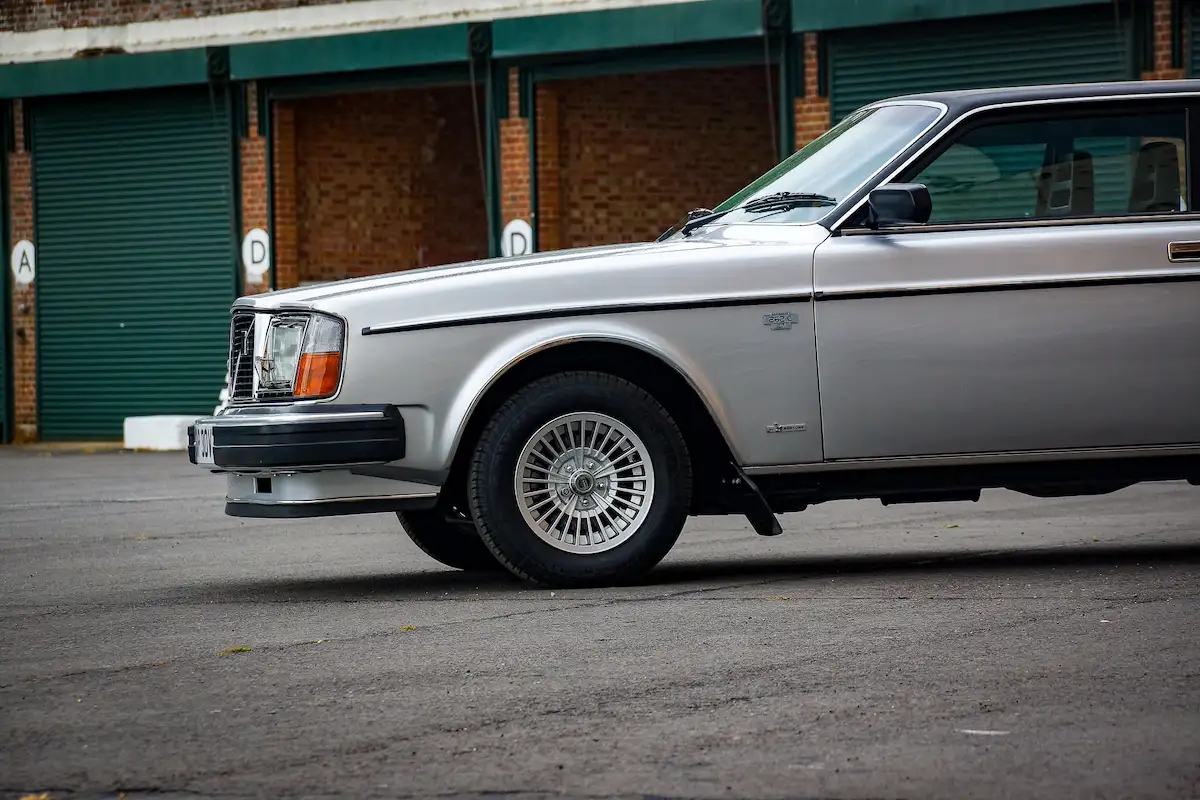
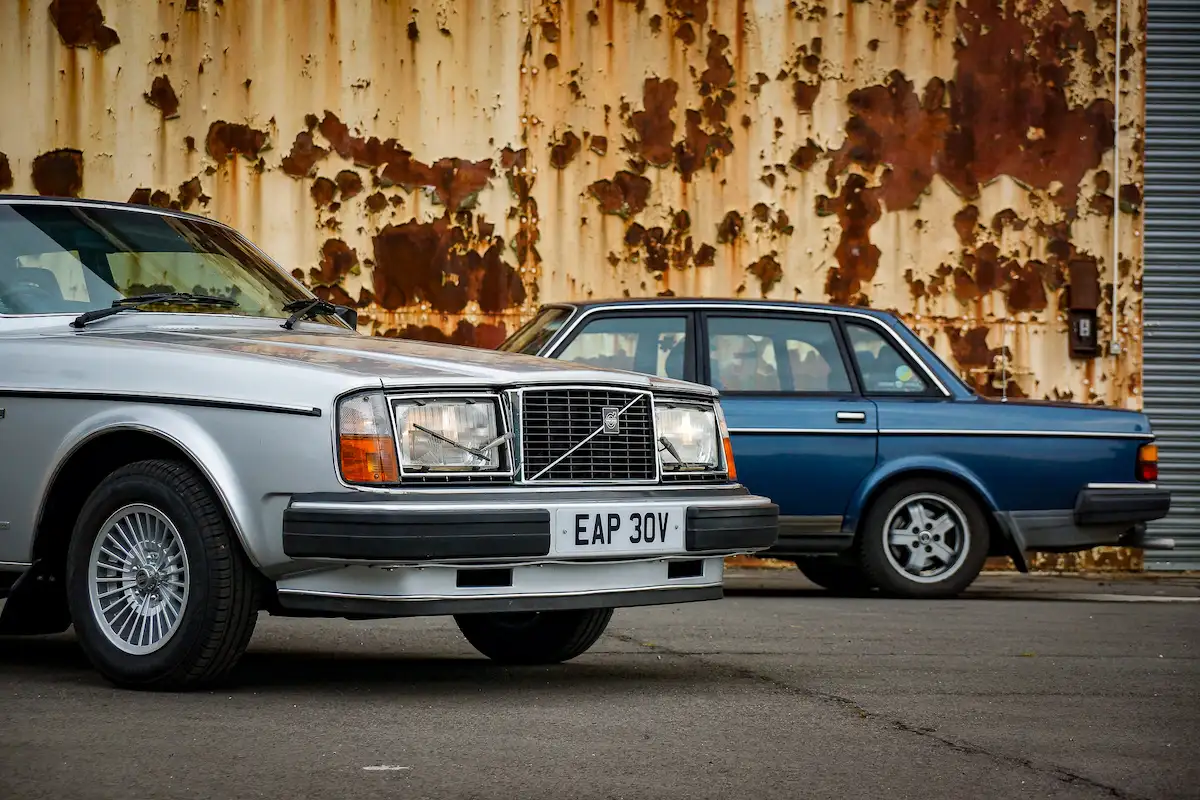
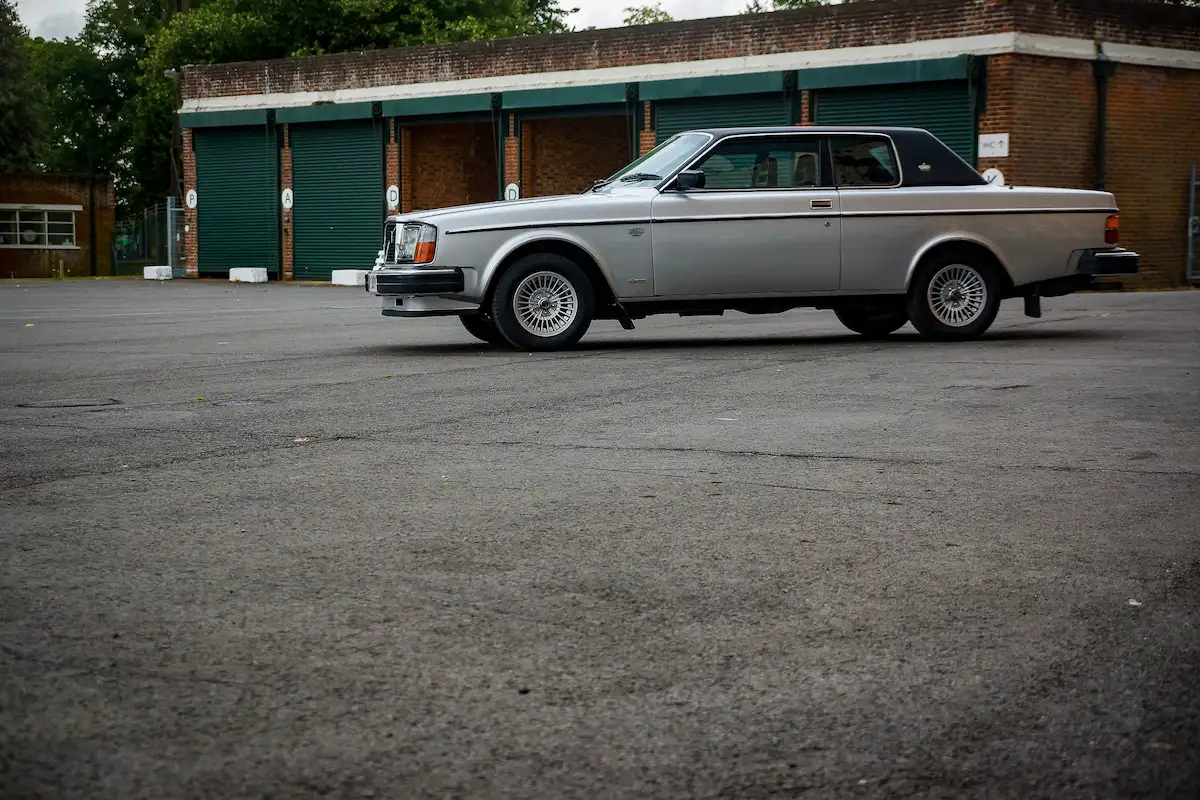
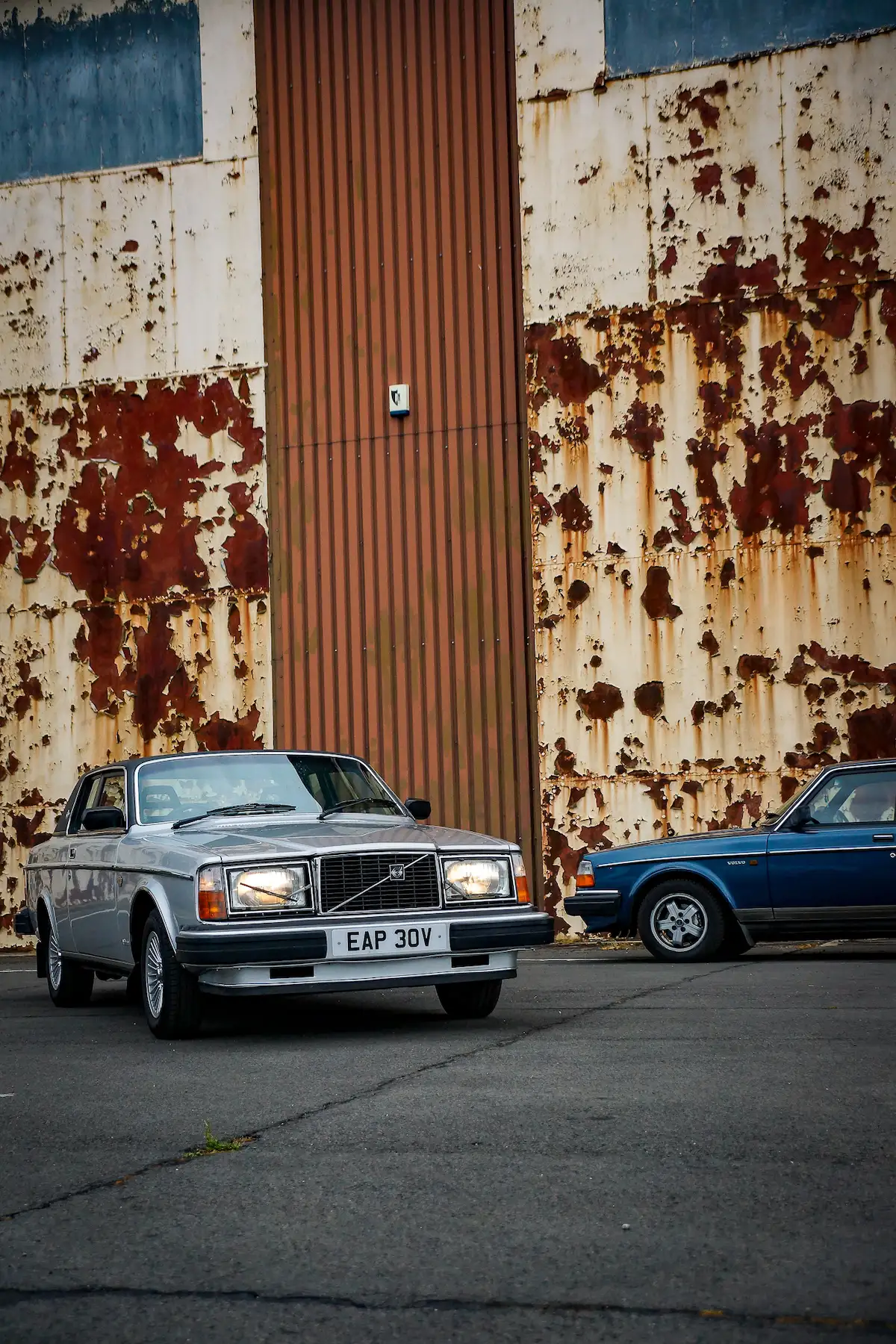
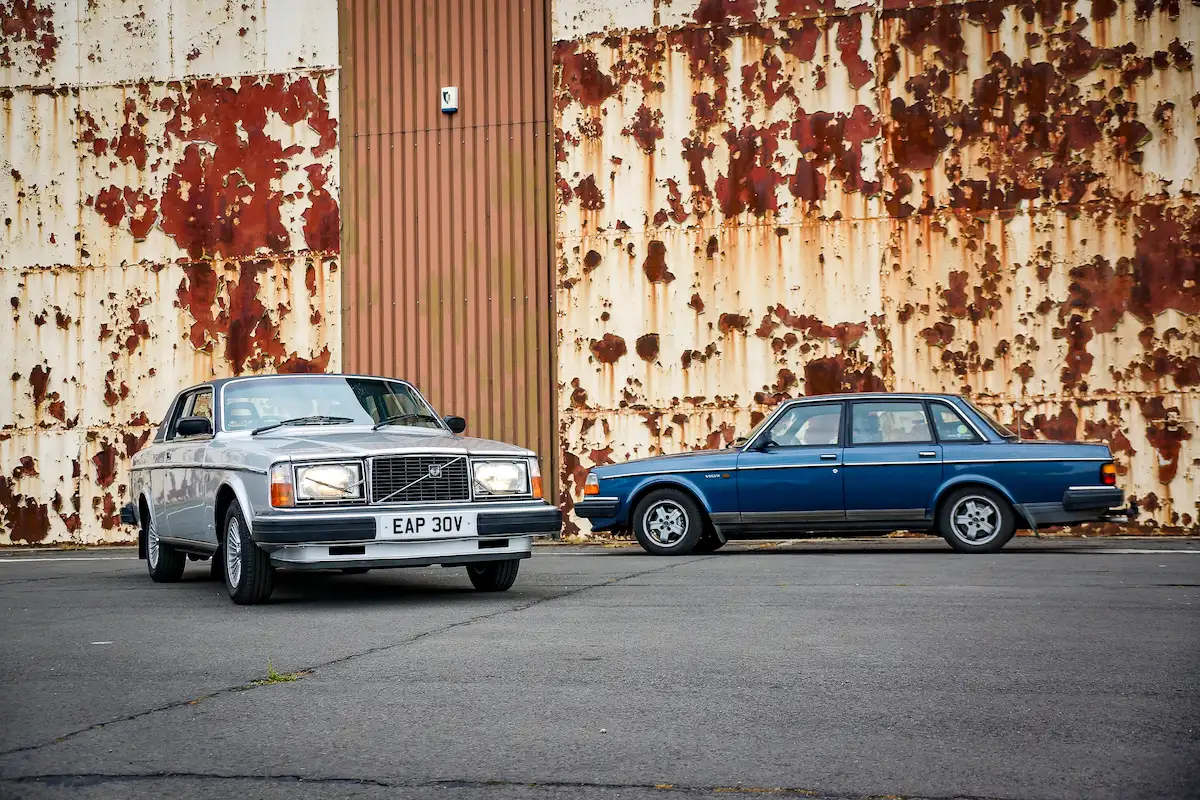
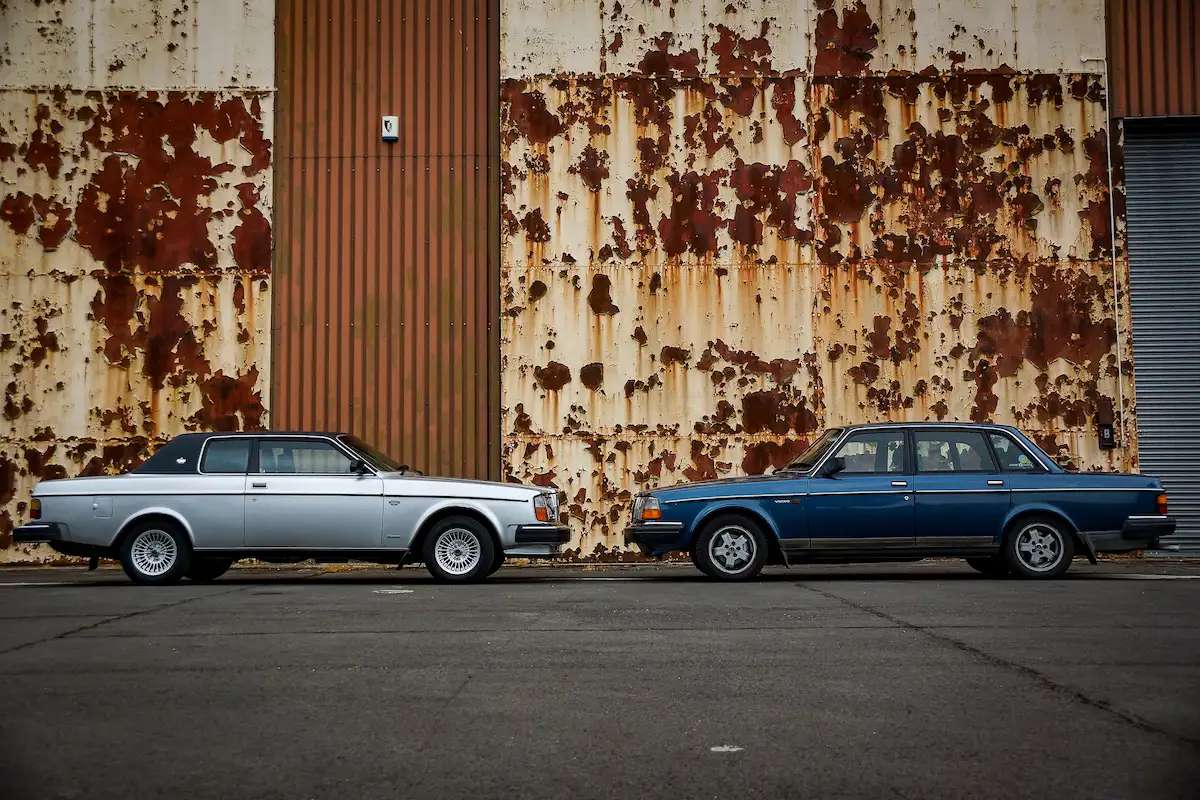
Beside a similar-era Volvo the Bertone looks oddly squat, the shoulder line and roof forming a trick of the eye. The coffin nose is steeply stepped and the front skirts tuck in almost awkwardly.

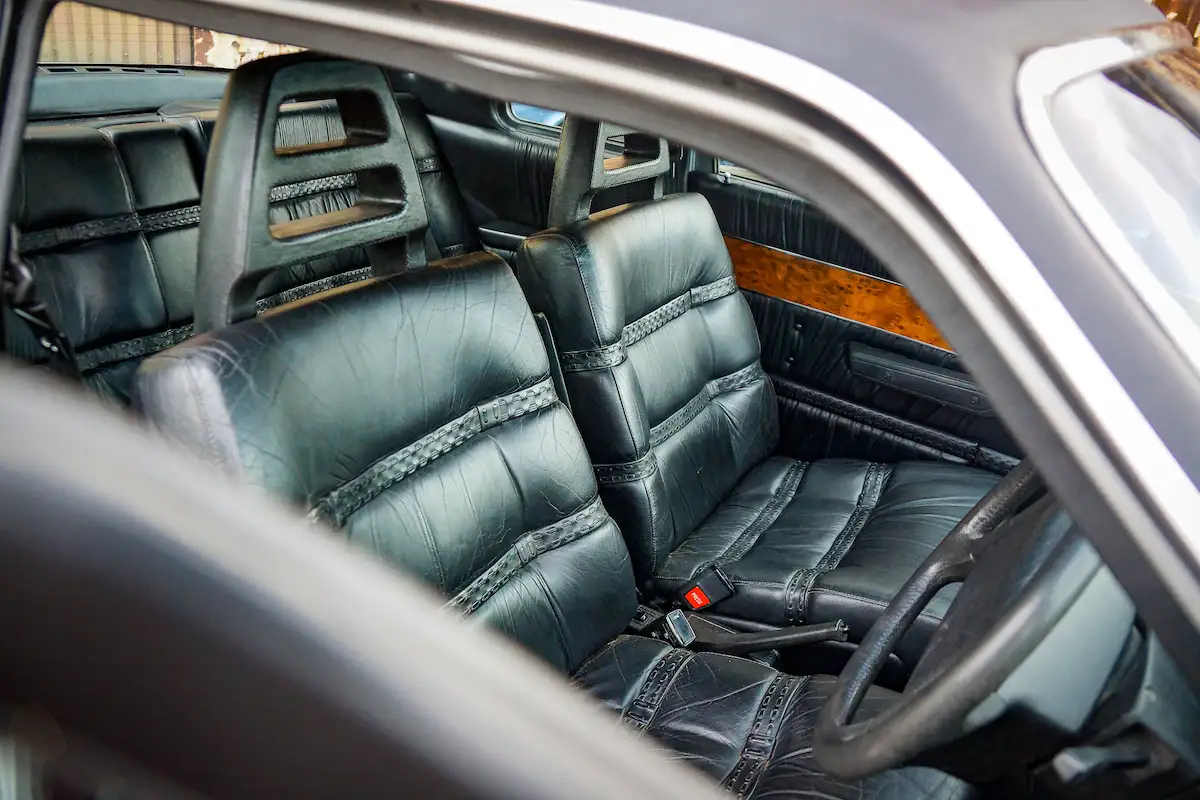
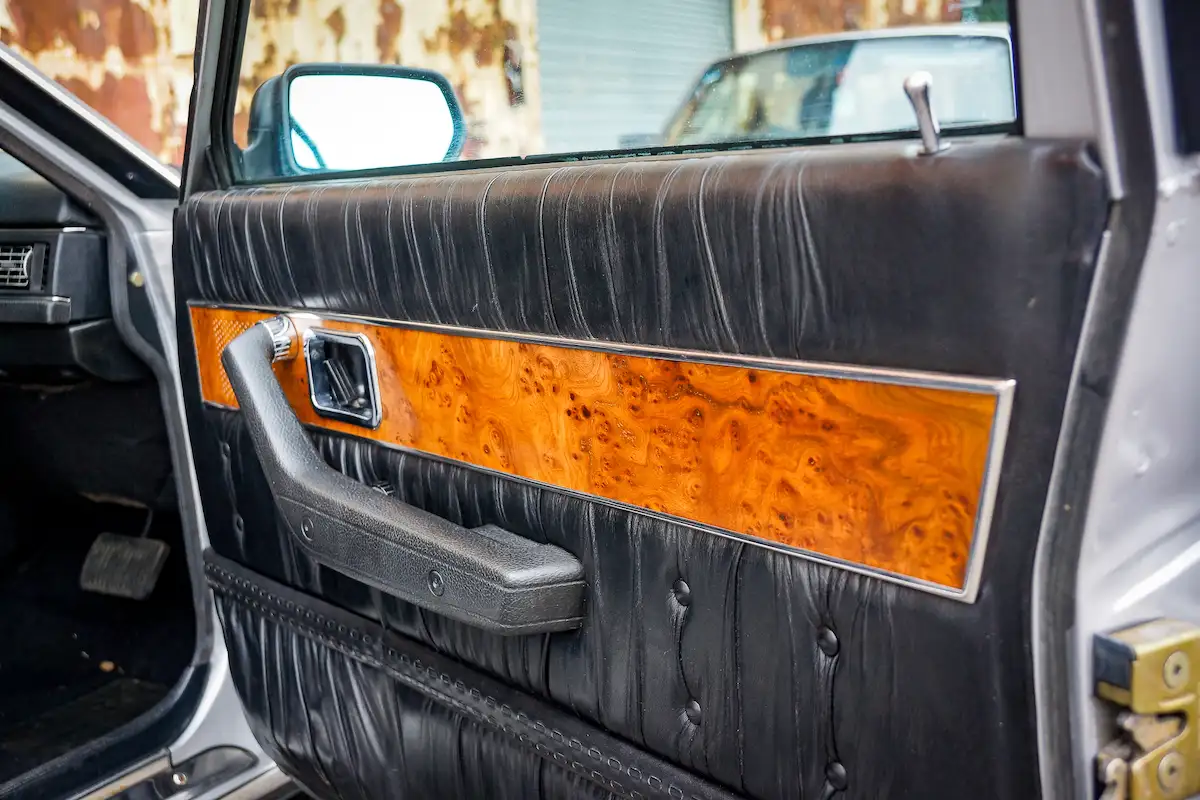
Inside it’s much more luxurious, with curiously belted leather seats and a wealth of space.

The doors are comparatively vast, too, seemingly carving out more of the flank than it should. But this is a coupé Volvo – it was never going to be lithe.

Beneath that long, sharp bonnet is a PRV, a strangled budget V6 created and shared by Volvo, Renault and Peugeot mated to an automatic gearbox. It could be nothing else, in what is supposed to be a luxury cruiser. One headed to America, too, remember.

Pull away and while not laboured it feels relaxed, an ease of power without really exerting itself. Not since the P1800 had a Volvo really been nimble, anyway, and the ‘performance’ saloons wouldn’t body roll around the corner into view for a few years yet. Keep that in mind and it won’t underwhelm: there's enough power to canter along.

Though the limited-run model outsold expectations by the thousands, it’s an unlikely spot in the supermarket car park today, 45 years on from its launch. But it's a cult hero, if that's not stretching it too far.

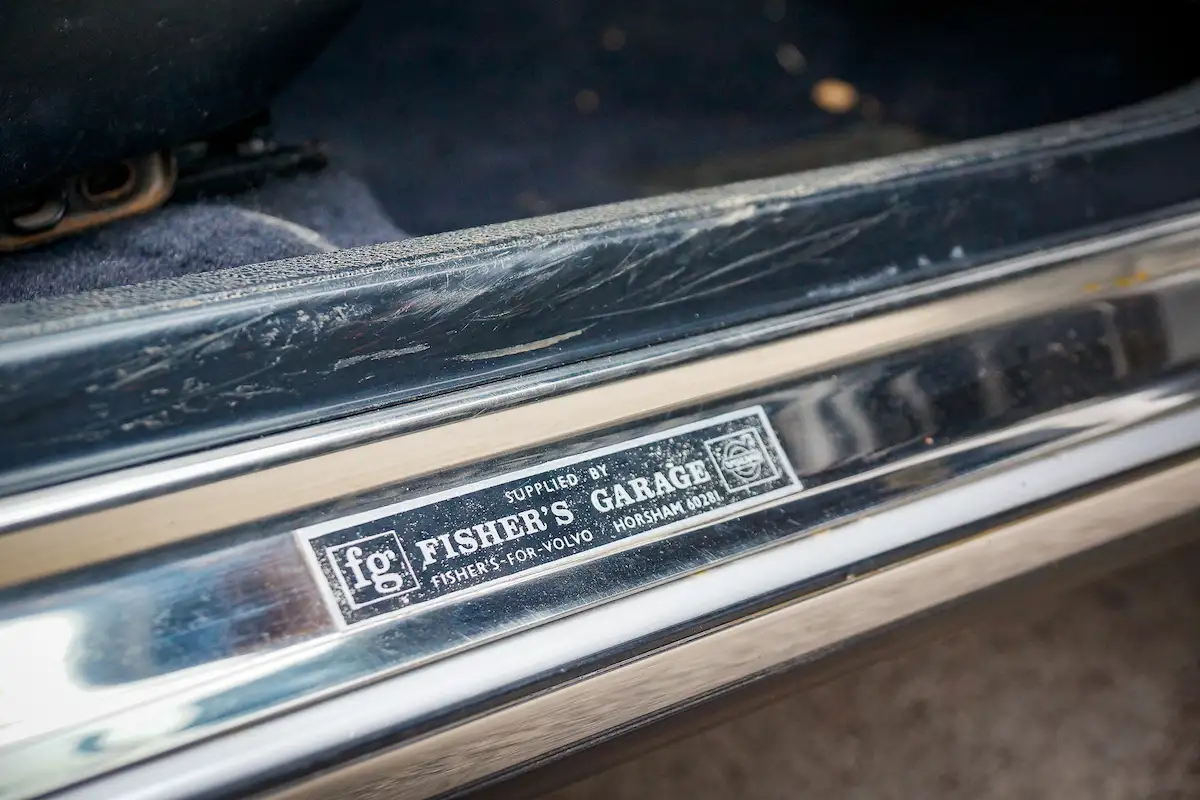
The panels that are unique to the model are all-but unobtainable, making it a precious car without the underlying value of other cars with an Italian coachbuilder's badge. Yet Volvo UK saw the value in preserving this little piece of its history and recently added it to its heritage fleet. It’s so new to Volvo UK that the keyring gives away its vendor.

If it’s a curio for Volvo it’s a curio for Bertone, too. And that’s a theme we’re going to be celebrating at the Scramble on Sunday 9 October. Watch this space.

When Volvo turned to Turin